
NO ME ARREPIENTO DE SENTIR TANTO - Where is Karol G Heading in This Album?
Written by Natasha Santana
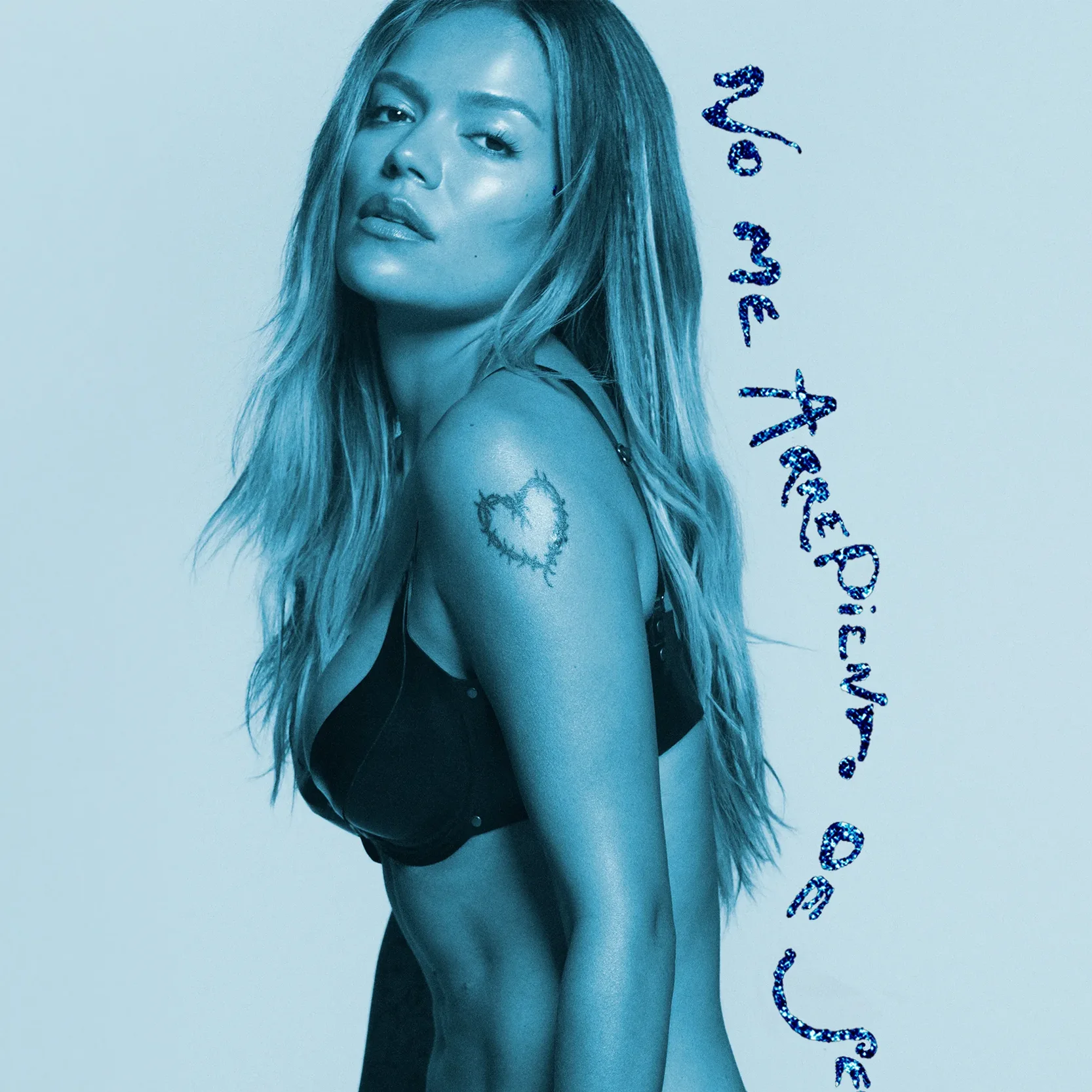
Latin pop star Karol G's new album has sparked a huge online discussion. Between the strong opinions of true fans and those coming around to disliking the album, the blue-hued 90s-influenced album has its roses.
At first glance, it's an immediate call-back to early Shakira influence. With more songs connecting to Karo’s romantic downfalls and indie influences woven into the melodies, the album’s cover art beautifully complements those themes. The color choice in the cover depicts the girl-next-door, indie essence of late 90’s and early 2000’s Spanish artists. Even down to how she is posed, what she is wearing, and the font of the title, Karol G’s intention was clear.
Many say that they wanted more of the reggaeton and club styling Carolina is known for. Her older songs have that perky, pop feel of wanting to fall in love and enjoy life with the tropical influences of her Colombian origins. Unfortunately, many reggaeton lovers didn’t get their thirst quenched. With the opening track, the slow-paced, lo-fi “Te Llevas To,” it becomes clear that the album was crafted to shift away from the image established by Tropicoqueta.
Where Tropicoqueta was maximalist, colorful, celebratory, and deeply invested in Latin musical traditions, NO ME ARREPIENTO DE SENTIR TANTO feels almost deliberately claustrophobic. It's an album about sitting alone with your feelings after the distractions disappear. The breakup isn't treated as one clean emotional event; instead, Karol cycles through anger, lust, denial, nostalgia, resentment, loneliness, and eventually something resembling acceptance.
And that's simultaneously the album's greatest strength and biggest weakness.
Abandoning the sexy and lively Latin influences of Tropicoqueta, Karol G begins experimenting with Western-inspired beats, layering a subtle rap influence beneath the song’s heartbreaking lyrics. The songs that introduce the album talk about how much is taken from having given your all to someone. How much heartbreak has dried majority of her empathy towards the lover that she inevitably knows will leave.
When you listen to her first two songs, it does take a while to realize that while she is changing her main sound, she is not changing the theme of her lyricism. Although “Bebiendo Lágrimas” is a catchy and common sample of a song - it doesn’t show her strength in lyricism. The first few tracks have a few modern influences of Joji’s hyperwave-lofi, especially “Después De Ti” and ballads of Shakira’s older tracks. It truly saves the artistic momentum of the album. There is a lot of heartbreak covered by the catchy beat, and the common experience of drinking your breakup away - it would be interesting to hear her lyricism change.
For the first five tracks, it is a repetitive story of reconciling and accepting this withering pain of love. Until we get to her collaboration with Bruno Mars, “Still.” With the familiar, cozy drums and Mars’s run-off, the song entirely deviates from Karol G’s established vibe throughout the album. Here, Karol G makes it clear that the ‘bichota’ is done trying to get over it.
What saves this album from its weaknesses is the songs that have her Colombian influences. My favorite personally, ‘Alguien Que Te Amaba’ has a traditional styling of Vallenato. With the accordion, rasp of traditional Colombian instruments used in Latin America, and 80’s Vallenato synth, it made her lyrics stronger and showed the strength of her vocals.
“MATADORA” is probably the song that most successfully connects this album to the Karol G people already know.
It's sexy, aggressive, rhythmic, and immediately recognizable as a Bichota record. But there's an interesting contradiction underneath it: the confidence feels almost performative.
She's dancing while she's hurting. She goes into a dialogue of slowed reverb and echo, as if she is constantly fighting with her ‘baddie’ self, but the pain is still there. This is her strongest song for the point that she is trying to get across. Transparently, it does feel a bit out of place with the rest of her album, but once again, the lyricism saves that weakness and makes it a strength.
“Con Quien Andara,” The Jeanette sample also gives the song this nostalgic quality that makes the jealousy feel almost cinematic. Pitchfork singled it out alongside “MATADORA” and “Después de Ti” as one of the album's focal points. The obsession in the song, and the messiness of what Karol G is going through, is strongest here.
To finish with a song that best highlights the direction of this new album, “BbY WOW” stands out as the strongest track. Not only does it carry a drizzle of nostalgic Latin influences, but its Wisin and Yandel influence feels like a sound Karol G has carried with her for years. Had she leaned even further into it, it could have been a certified banger. Her voice takes on an interesting shift in its vibrato, almost hymnal at times, making the track especially addictive. This vocal quality can be heard throughout some of the album’s catchiest songs.
It can be agreed that there is a redundancy with ‘NO ME ARREPIENTO DE SENTIR TANTO’ with the male-centered love songs. Yet, the sampling and the storytelling save the purpose of the album. It can also be agreed that her strongest sound is when she connects with her voice and creativity.
Ultimately, with this album, I wonder where Karol G is going to go. It is exciting to see an artist attempt a switch-up, but it also begs the question if it feels sincere. Overall, there are some hits on this album like “MATADORA” and “BbY WOW’ - I am interested to see what is next for Karol.
