Interview by Grace Franklin
Photos by: Luke Rogers
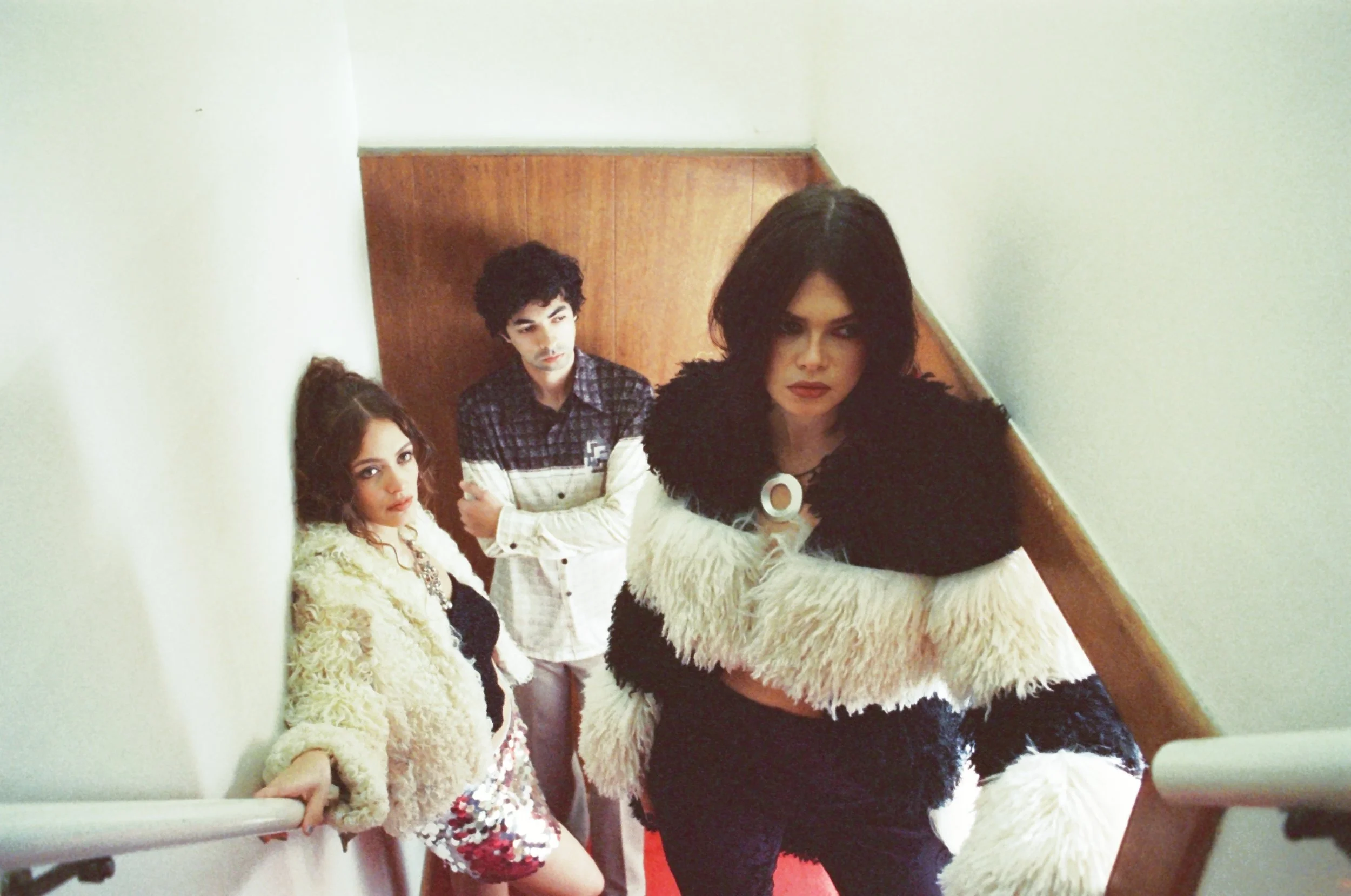
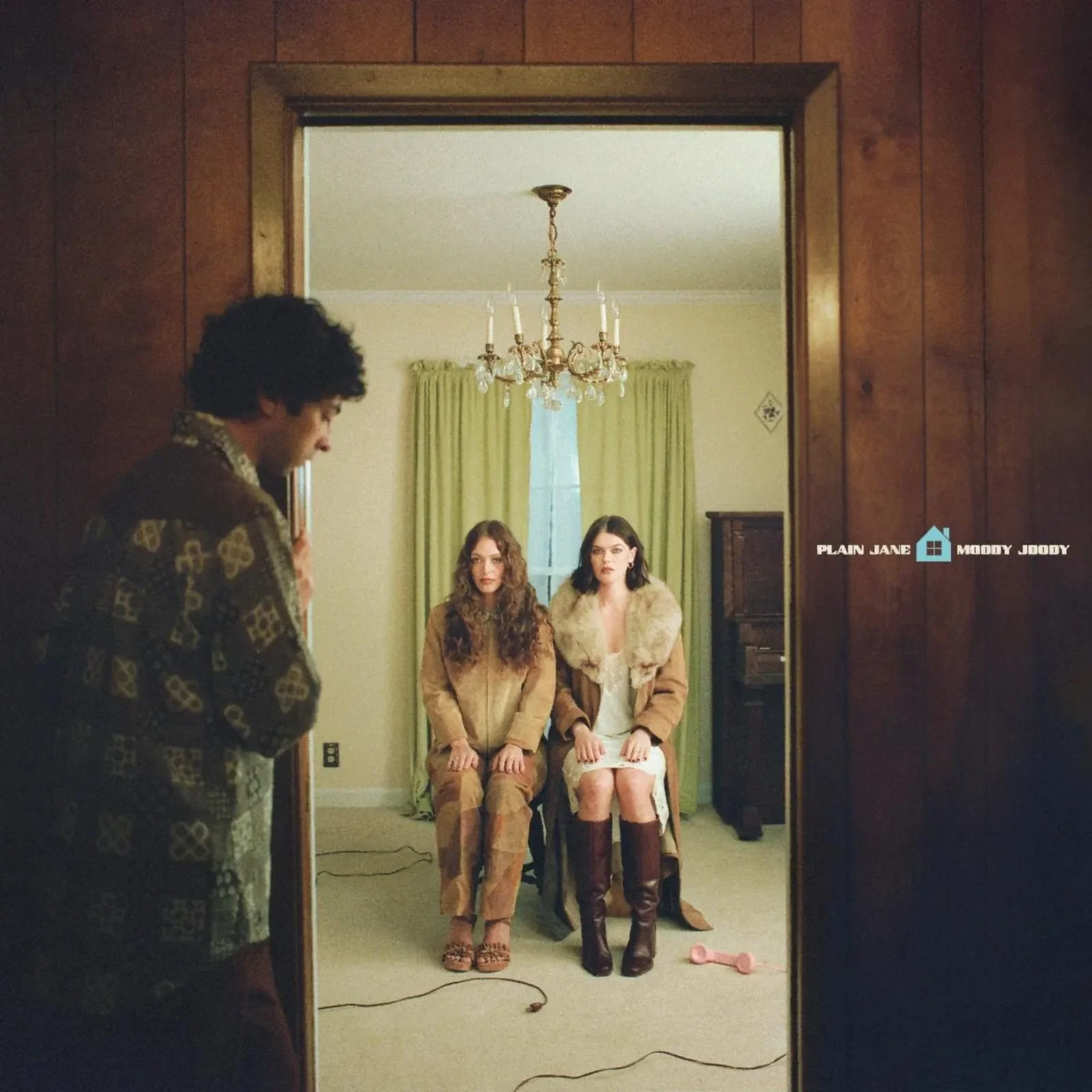
There’s something really special about a band that lets itself be a little bit of everything. Moody Joody has always embraced that idea, but with their debut full-length album, Plain Jane, they’re taking it a step further. Out October 30, Plain Jane touches on what it means to grow into yourself, question the things you were taught growing up, and get more comfortable with the person you’re becoming.
The band first started developing the idea six years ago, and a lot has changed since then. The songs get into everything from feminine rage and religion to friendship and learning to be more open about who you are. It’s a record about figuring things out as you go, even when that means letting go of the version of yourself you thought you were supposed to be. I sat down with Moody Joody to talk about the long road to their debut album, finding confidence in the person you’re becoming, and what comes next for the Nashville-based band.
Grace: Who is Moody Joody, and what do you want people to know about you?
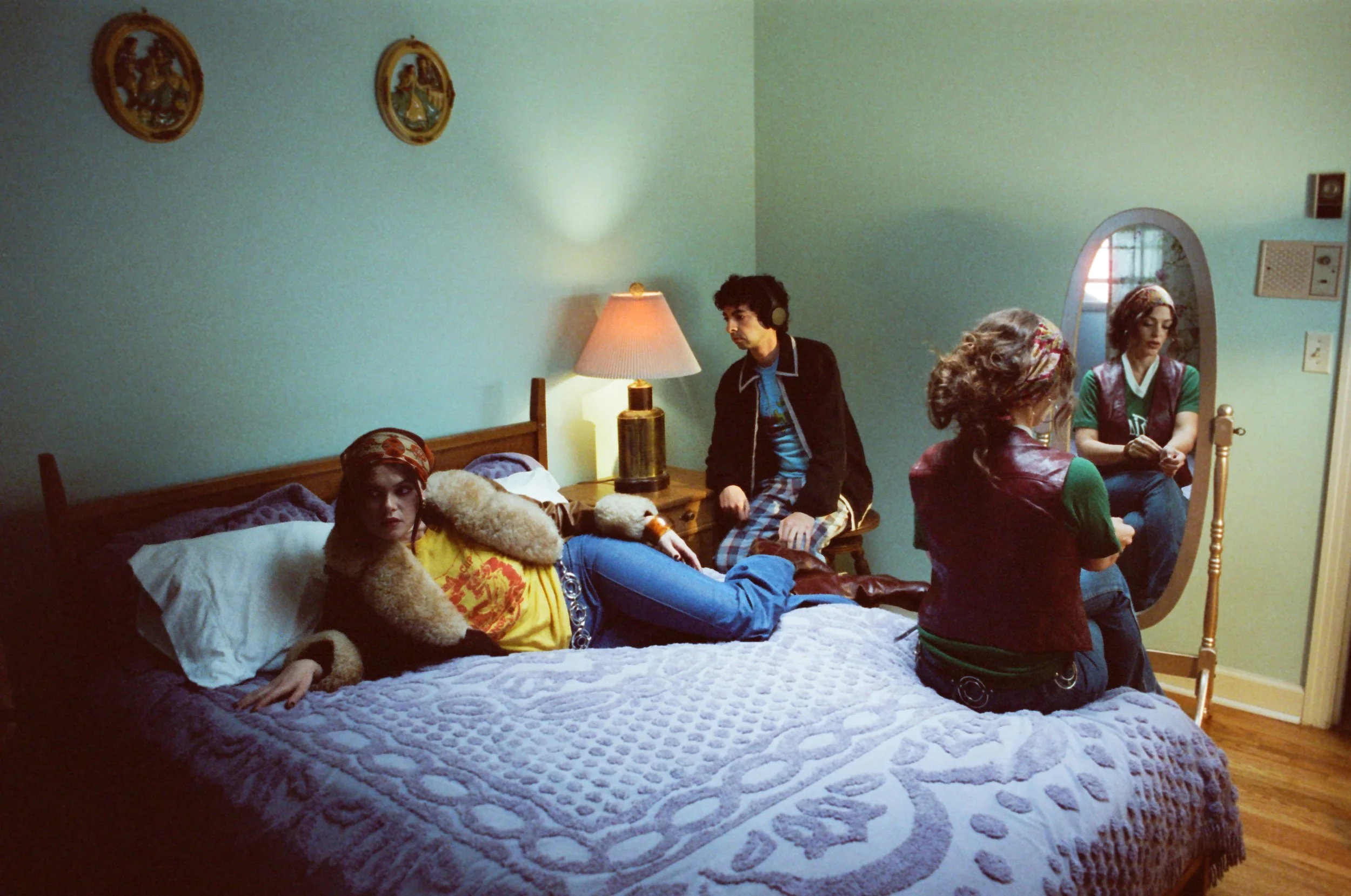
Kayla: Moody Joody embodies a little bit of everything. Our band ethos has always been about owning your humanness, and that’s been one of our North Stars since the beginning. Our album, Plain Jane, explores that journey of womanhood, so we like to write songs that offer a little bit of everything: deeper reflections and life lessons, lighthearted songs about going out with your friends, and some female rage and empowerment. There’s a little something for everyone.
Grace: Are you guys all from Nashville, or did you move here to pursue music?
Katie: We all moved here about ten years ago!
Grace: Oh, wow! So you guys had been in Nashville for a while before Moody Joody officially formed in 2020. How did the band come together, and what was it like starting a band during the pandemic?
Andrew: Yeah, it was right around the time when people were starting to see each other again. The girls wanted to start a girl band, and initially, it was just going to be one song, “The Heat.” But one thing led to another, and the band grew from there.
Grace: Who are some of your biggest musical influences? Who were you listening to early on, and who inspires you today?
Kayla: I feel like Bleachers was one of the first artists we all really aligned on. We all grew up with pretty different musical tastes and influences, so I think that gives us a unique blend and also a lot of crossover. Honestly, I feel like we should make a Venn diagram of all our influences. [Laughs]
Grace: You’re releasing your debut full-length album, Plain Jane, on October 30th, which is such a huge milestone. First of all, congratulations! After putting out EPs and individual releases over the years, what made this feel like the right moment for Moody Joody to take that next step and make a full-length record?
Katie: We actually started working on it in 2020, and we already had the title Plain Jane and the concept brewing back then. So it’s really been a six-year process, and I think the timing of its release now is a result of needing that time and that period of growth to fully bring the album together.
Kayla: I think a lot of it comes from how we started. We first put out a single, and people were asking, “What are you guys putting out next?” And we were like, “I guess we’ll write another song!” So we kept doing that for a long time.
By the time we got to the Dream Girl EP, I think we’d spent a lot of time trying to catch up with the momentum we were building. We were playing shows, but we didn’t have a record deal yet. We ended up signing one while we were putting out Dream Girl, and we’ve always been big album people, so making a full-length was something we’d had in the back of our minds for a long time.
I think we all collectively knew that finishing Dream Girl marked the end of a certain era for us. We were ready to fully commit to making Plain Jane. We’d had the concept for so long, but this felt like the right time to build out that whole world and bring it to life as an album. We’d written a couple of songs and had some titles in mind, but we finally had the time, space, and resources to really dedicate ourselves to the process. It just felt right.
Andrew: There are actually a few songs on the album that were considered for the Dream Girl EP at one point. Since we’d always had our sights set on making this record, we’d collect little pieces over the years and think, “Okay, that’s for the album,” and tuck them away. The record itself really came together over the last year or year and a half, but we’d been gathering ideas along the way, waiting for the right time to make it the way we wanted to.
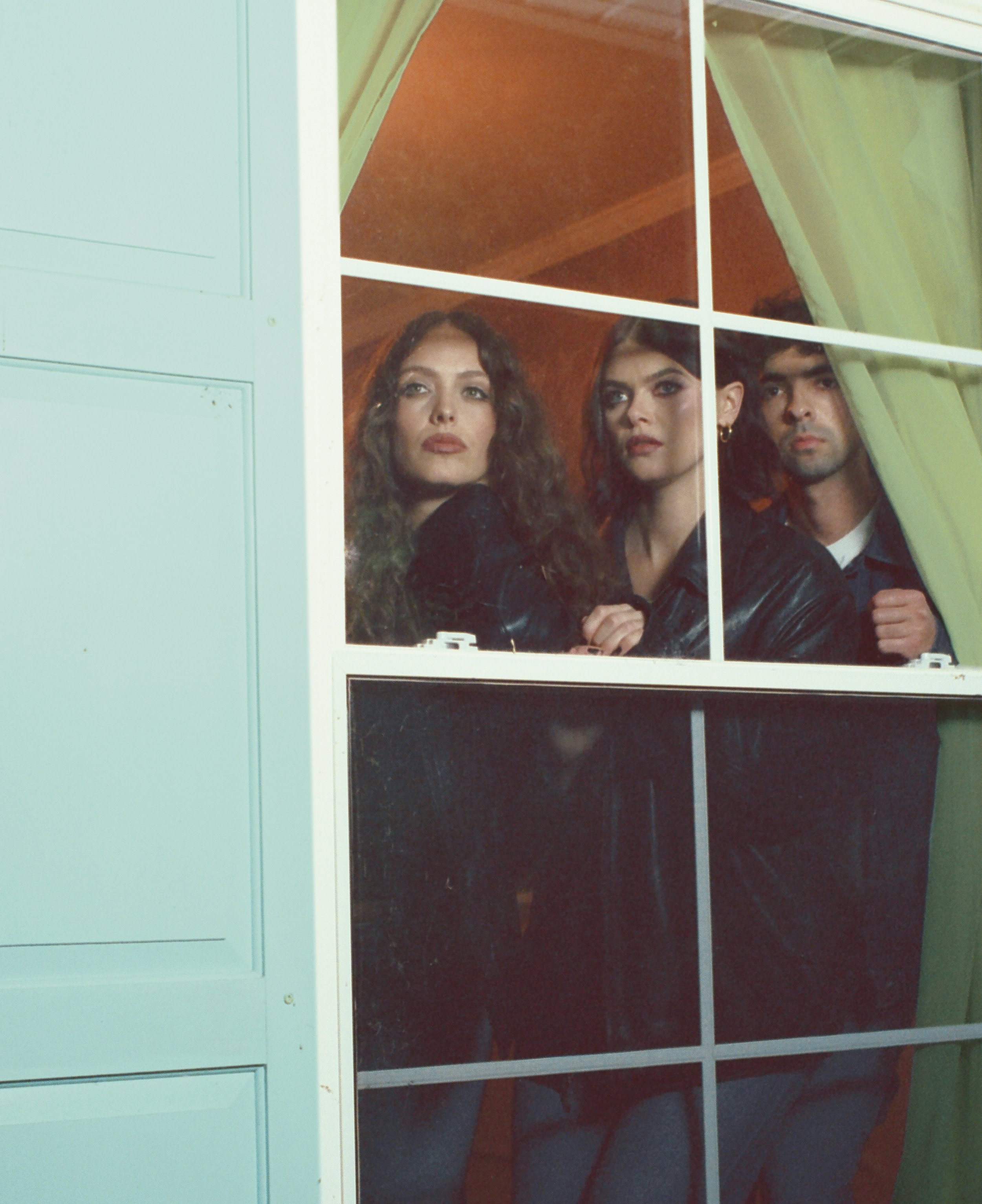
Grace: You’ve all talked about how much growth has happened over the years leading up to this album. How do you feel that growth comes through in Plain Jane?
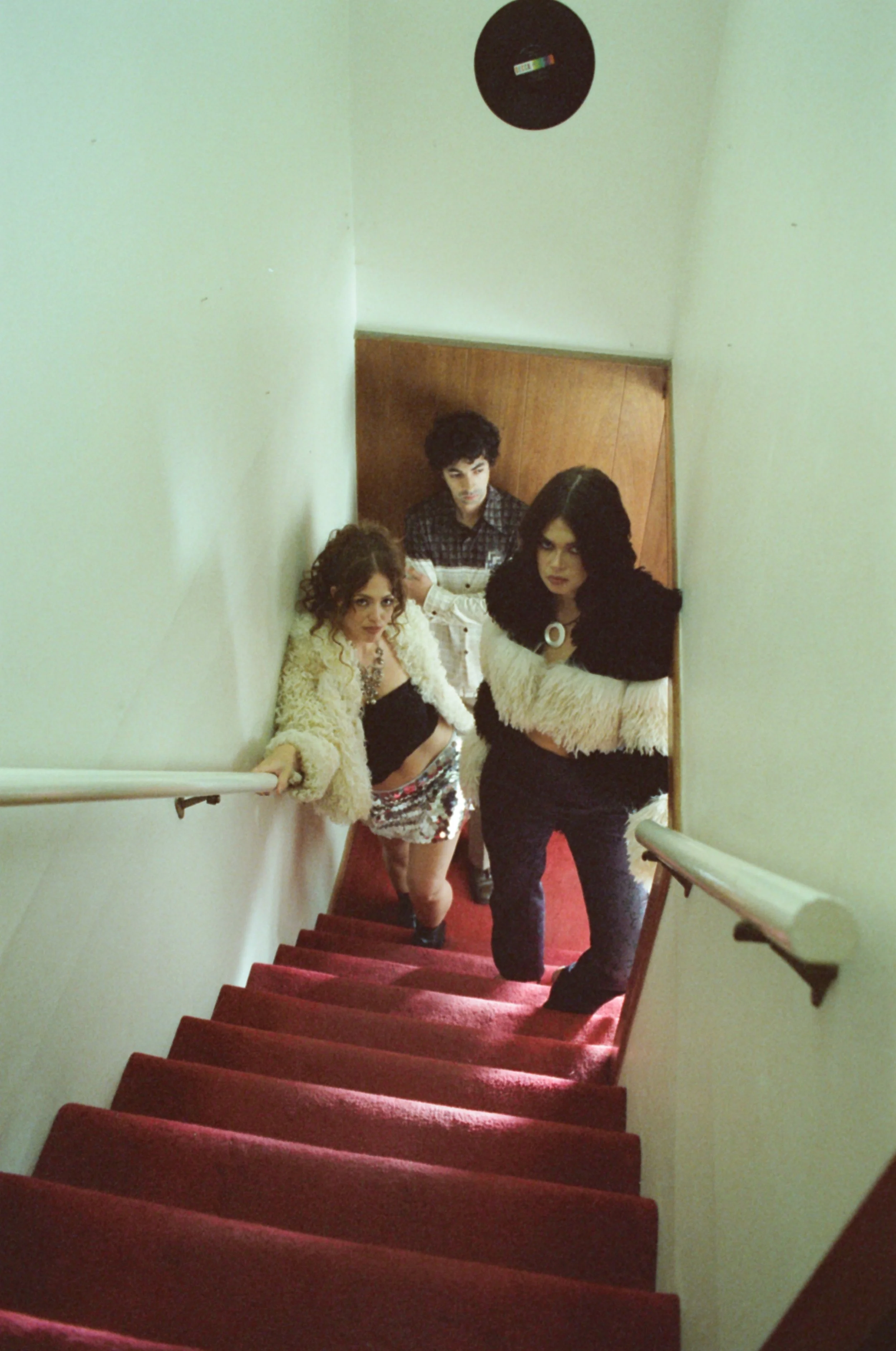
Katie: Honestly, I think that’s a big part of the album’s message. Plain Jane is about leaving an old version of yourself behind, especially the version other people expect you to be, and accepting that you’re going to disappoint people along the way.
As we wrote this album, we really took that message to heart ourselves. I think the timing of its release is perfect because, if it had come out any sooner, I don’t know if I would have been ready or brave enough to talk about some of the topics on the album. I know I’m going to let people down along the way, and I’m learning to be okay with that. In a lot of ways, I feel like we grew up alongside Plain Jane.
Grace: Can you tell me a little more about Plain Jane? What kind of person do you think this album is for, and how would you describe its overall energy and sound?
Kayla: I think we want the album to resonate with anyone who knows what it feels like to figure out who they are and how they want to show up in the world. Especially as women in our 30s, we're constantly figuring out how we want to express ourselves, speak on certain topics, and embrace different sides of who we are.
Growing up in conservative households, there are a lot of things you have to unlearn, and there's something really empowering about coming out on the other side of that and saying, “This is who I am, this is how I feel, and I'm going to stand confidently in that.” I think that's a pretty universal experience, but as a female-fronted band, it's something that's especially personal to us. Given the world we're living in today, it feels like the right time to put that message out there. We want to show what it looks like to own who you are and stand in your power, and we hope that resonates with anyone who's been on that kind of personal journey.
Andrew: We wanted the sound of the album to reflect that journey. We're big album people and love the experience of listening to a record from front to back, so the sequencing was really intentional. We wanted Plain Jane to tell a story. Even though it isn't a rock opera or something that unfolds chronologically, there's still an arc to it, with moments that revisit the album's opening track halfway through and allow the story to evolve as the character grows.
There's also a lot of different subject matter explored on this record, from feminine rage to going out and partying with your friends. It was important for us to explore all those sides of ourselves sonically while still creating something that felt cohesive. We wanted the album to reflect the different facets of who we are, because at the heart of our band's ethos is the idea of owning every side of yourself.
Kayla: I think vulnerability is also a form of power. There’s power in feminine rage, and there’s power in those softer moments, too.
Grace: Yeah, absolutely. It’s such a vulnerable record, and you guys are incredible storytellers. Knowing that you first started developing this concept back in 2020, how did you bring all those ideas together and shape them into the larger story of Plain Jane?
Katie: I remember Kayla and I having conversations about the expectations placed on us, whether that was in relationships, disappointing our families, or feeling misunderstood by them as we figured out our own paths. From there, the idea grew into this whole character, Plain Jane, and opened the door to exploring things like feminine rage and growing up religious.
I’ve been deconstructing the religion I grew up in while writing this album, and a big part of that experience was being taught that expressing anger wasn’t okay. Even something as simple as angrily saying the word “fuck” in our song “Mad” feels incredibly vulnerable to me. The album has been about allowing ourselves to feel all these different emotions, giving them a name, and exploring them through the character of Plain Jane.
Kayla: I remember coming up with the name "Plain Jane" shortly after we decided on Moody Joody as the band name, because they represent complete opposites of each other. In our early artwork, we covered our eyes, creating an alter ego that allowed us to hide a little bit. It felt like a safe space to explore who we were. Although, at the time, we only had three Instagram followers, so I’m not sure who we were hiding from! [Laughs]
Eventually, it felt like the right time to shed that layer of hiding and fully embrace who we were becoming. Six years later, I think Plain Jane represents that shift. It's about burning down everything that no longer works for you and deciding for yourself who you want to be. That transformation is what ultimately led us to the title Plain Jane.
Katie: It’s interesting because, as we get ready to release the album, I find myself flip-flopping between Moody Joody and Plain Jane. Just last week, I had a night where I couldn’t sleep because I was worrying about what my family would think of certain songs and innuendos on the album. I was thinking about my nieces and nephews listening to it and wondering if my siblings would think I was a bad example. I was completely spiraling, and then I had this moment of realization: this is exactly why I wrote this album. These worries about other people’s expectations of me are what Plain Jane is all about.
It’s been interesting to navigate that tension between Plain Jane, who worries about those expectations, and Moody Joody, who steps into her power. I’m learning to embrace that confidence while still having grace for the Plain Jane side of myself.
Grace: Wow, that makes so much sense, and I resonate with so much of what you guys have shared. From deconstructing religion to just being a woman in her mid-20s and trying to figure out who you are and how you want to show up in the world, I think so many people are going to connect with this album. The concept is so strong and relatable, and I think there’s something really special about being able to see yourself in that journey.
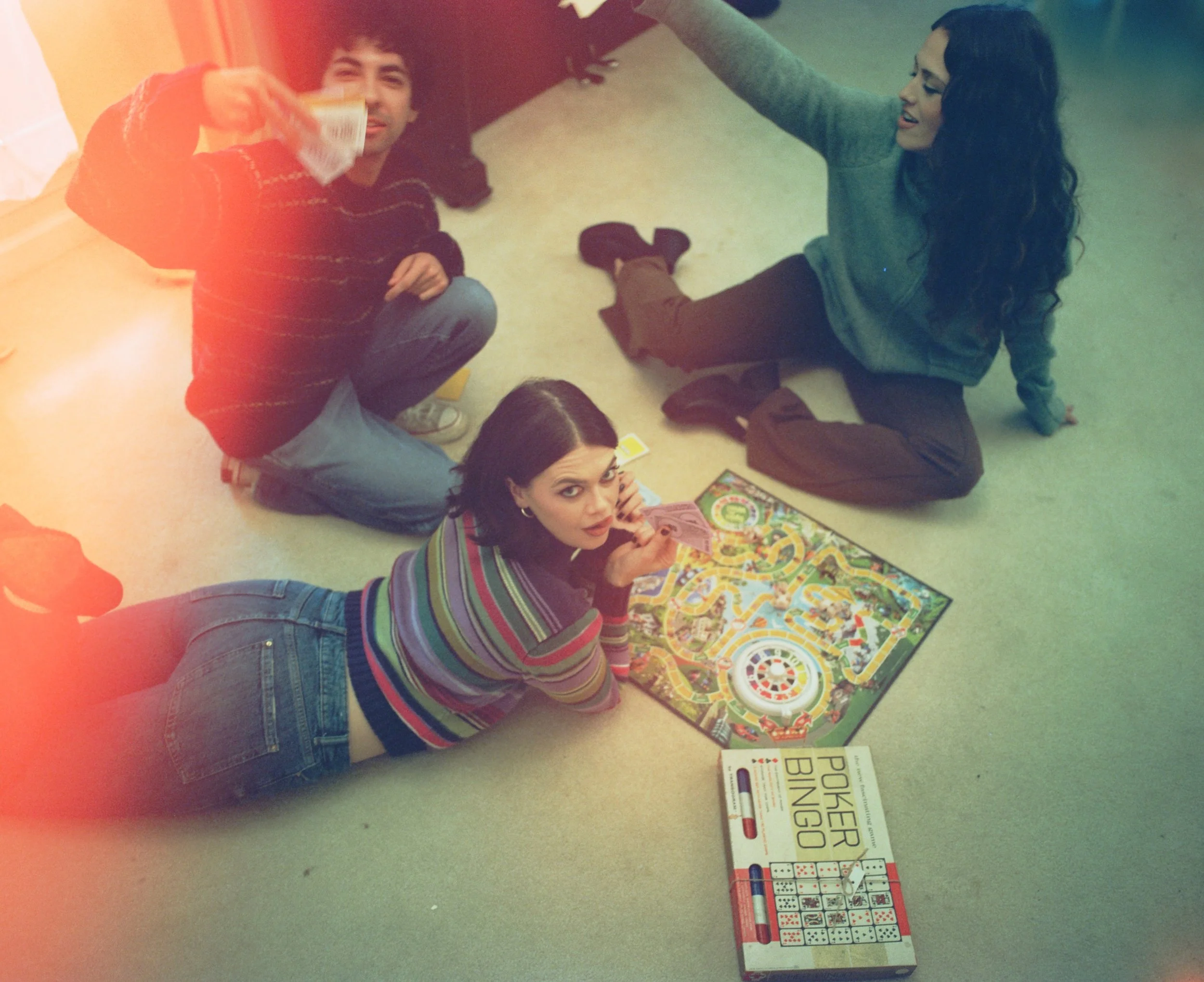
Grace: How do you think Plain Jane compares to some of the music you guys have released in the past?
Andrew: I don't think it feels like a departure for us because, from day one, we've never wanted to box ourselves into one sound. There was always an '80s-inspired, anthemic, synth-driven sound at the core of the band, and I think that's remained a through line. But even early on, we were putting out songs like “LA Anyway” that leaned more into alternative rock, so we've always explored different sounds.
I think Plain Jane feels like the fully realized version of what we set out to do when we started the band in 2020. In a way, it's our mission statement, both sonically and conceptually. As much as we wanted to make this album years ago, I don't think we could have executed it the way we have now. In some ways, we're grateful it took this long because we've grown so much, and we're incredibly proud of what we've created.
Grace: The songs you guys have out now are incredible. I was on a long road trip this past week, and your music was the perfect soundtrack for the drive. It had me thinking about how great these songs are going to sound live. When you’re writing, do you ever think about how a song will translate to a live setting, or is that something that comes together more naturally?
Kayla: It's definitely something we've been thinking about more and more, especially with this album. I think our music has become more live sounding in some ways, not as polished.
Andrew: I think playing live definitely inspired that shift. When we first started the band, it was very much a studio project. But once we brought those early songs to the stage, hearing them with live drums and feeling that energy in a club setting was really inspiring. I think it subconsciously pushed us toward leaving a little more imperfection in our recordings and embracing more organic instrumentation.
I’ve also learned to let the live show be its own thing. Early on, I was obsessed with recreating the recordings perfectly onstage, but now I’m more comfortable letting the songs shift and take on a different energy in a live setting. I love a great live version of a song. Things just hit differently. It’s always in the back of our minds because the live show is so important to us.
Grace: Speaking of live music, you’ve played a lot of different venues over the past couple of years, and last year you got to perform at ACL, which is such a huge festival. How does playing a festival like ACL compare to performing at a smaller, more intimate venue?
Kayla: Festivals are such a different experience because people are constantly coming and going, and there’s so much happening around you.,At ACL, for example, ROLE MODEL was playing on a nearby stage, so people were coming over from that set, and the energy was pretty wild.
With a more intimate show, we have more freedom to do things the way we want. For this upcoming tour, it’s our first time really putting together a full production around the album. We’ve played headline shows before, but we didn’t have Plain Jane out yet, so we were only playing a few songs from it. This time, people are coming specifically to see us, and we want to give them a really unique, fun, and intimate experience.
Andrew: I think we try to bring the same energy no matter where we’re playing. One thing about this band and our chemistry onstage is that we always give it 100%, whether we’re playing a huge outdoor festival or a sweaty basement with 50 people. We’re going to bring that same energy either way, but there’s definitely something about a festival crowd that gets you going. It’s undeniable. It’s so much fun.
Grace: Now that Plain Jane is about to be out in the world, what do you hope this next chapter looks like for Moody Joody?
Katie: We want to play a lot of shows!
Kayla: Yes! Hopefully lots and lots of touring.
Katie: My biggest hope for the band is that we reach the right audience, and we find the people that it will resonate with. We're still a baby band and are still growing our audience. I just think it would be so rewarding to reach people who need to hear the messages that we have for them.